Conservation Of Pakistani Culture Over The Past Years
 Pakistan has inherited a diversified and rich cultural heritage. The land it is situated on has evidence of great cultural treasures. The greatest civilizations of the world have existed in this region, which have left behind them the signs of their ways of life. This area was held by Hindus, ruled by the British, has been home to the greatest friends of Allah, and has been invaded and taken over by Arab generals and Turk Sultans. Conservation of Pakistani culture is imperative to save such cultural treasures from deterioration and theft.
Islam replaced the earlier religious ideologies. Thousands of mosques, tombs and gardens, depicting the Muslim culture, were built. Over a period of thousand years, Islamic architecture bloomed and its cuisines were fascinated. One of the Turkish gifts was Pakistan’s national dress, the ‘shalwar kameez’.
Cultural Monuments
The Lahore fort, the Badshahi mosque, Smadhi Rangit Singh in Lahore, statues of fasting Buddhas, beautiful and always lively shrines of Muslim saints, especially in Multan, all are the evidence of an extremely rich culture.
The Lost Civilizations
During the 2nd century B.C, Buddhists took over the region after Alexander the great invaded it in 326 B.C. For more than around 1000 years, this region was influenced by Buddhism; many of the Gandhara sculptures are still at display in Lahore and Taxila.
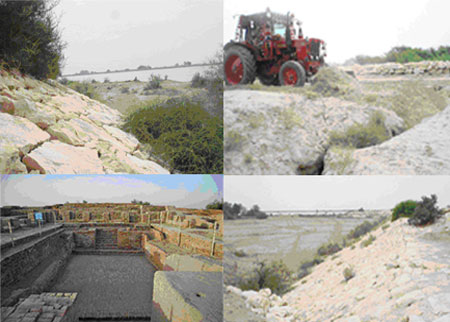
The glorious Indus Valley Civilization left another cultural treasure to be cherished by Pakistanis. The Pakistani and French archaeologists, in 1980s, found stone tools, bowls, drinking glasses and dishes, mud houses and ornamental beads at Mehargarh, Balochistan. Archaeologists learnt a great deal by studying the life of Mehargarh people. These are all included in contributions towards a rich culture.
Conserving The Pakistani Culture
There are different organizations working towards saving Pakistani culture from deterioration. The National Fund for Cultural Heritage (NFCH) was established in 1994 through a Parliamentary Act. Its objectives included the preservation, conservation and publication of Pakistani culture. Through financial and technical assistance, NFCH works towards achieving its goals of securing this heritage. Their aim is to conserve the Pakistani culture including all archaeological, historical and architectural values.
It is also NFCH’s objective to undertake and promote research for the conservation of Pakistani culture. NFCH also arranges materials for publication of periodicals, pamphlets, newspapers and posters etc., for the enhancement of Pakistani heritage.
There are also some other organizations at work for the conservation of Pakistani culture like Aga khan Trust for Culture (AKTC). It is an international organization which focuses on the physical, social, cultural and economic revitalization of communities in the Muslim world. The Aga khan Trust for Culture, Pakistan, is engaged in the revival of the local culture and heritage. They believe in restoring, so that it leads to the infusion of new life into historic landmark buildings. This organization has restored the villages and neighborhoods in and around the Baltit Fort with the help of the local residents. They are tirelessly working for the conservation and development of Baltistan and Hunza. Without the help of local residents, this restoration would not have been possible.